First of all it would be unfair to assume that all persons originating from Transylvania are Vampires. I live with one and my neck is relatively bite-free. I do, however keep a large garland of the age-old pungent rose in our kitchen. Joking aside, the reason I am interviewing this interesting gentleman today is to show the determination he had to provide for his family through a really tough Communist regime. These were times without Facebook and camera-phones, where making a side-living from photography could have landed him in serious trouble with the Romanian Securitate resulting in substantial fines, and even Jail. I got to know Dorin Avram and his family through my partner who happens to be his niece.
When did your passion for takings photographs begin?
“I always liked the Photography. After I got married and we had the kids, I started it professionally to make a second income.”
Is there a photographer that you particularly liked back then?
“No, there was none.” (It’s important to state here that during Communism, only classic literature and political propaganda would have been stocked in the libraries. Researching photographers would have been near impossible).
What year did you start taking photographs to make extra income and what camera did you use?
” It was in the year of 1986. The camera was a Zenit 35mm Rangefinder. I did weddings, baptism, birthdays and all kinds of family portraits”.
I assume you couldn’t send your negatives to a camera store to develop and print them. How did you get your hands on the chemicals and paper?
“Well, the photo paper I bought now and then from photo shops, but in bigger amounts for storage, and the solutions too at first. Later on I bought the chemicals from the pharmacy and mixed the solutions myself. I had a scale, that was very accurate. You had to have the exact amount of each chemical for the solution!”
Roughly how long during the Communist regime were you in business for?
“From 1986 until 1991 when we left Romania to come to Germany. The communist regime ended 1990, so I did it for about five years.”
It’s said that one in three Romanians was an informant for the Securitate*. Where did you do your processing and was it well hidden?
“There was a secret room in our apartment, which was my laboratory/ darkroom. I think it was around 1.5 by 2 meters long or something like that. The door to it was our coat rack and you could open it, if you pulled a secret crank and rolled the door open. The door was really heavy.”
I’m sure everyone would love to see how you organised yourself. Could you draw a quick picture of the set up?
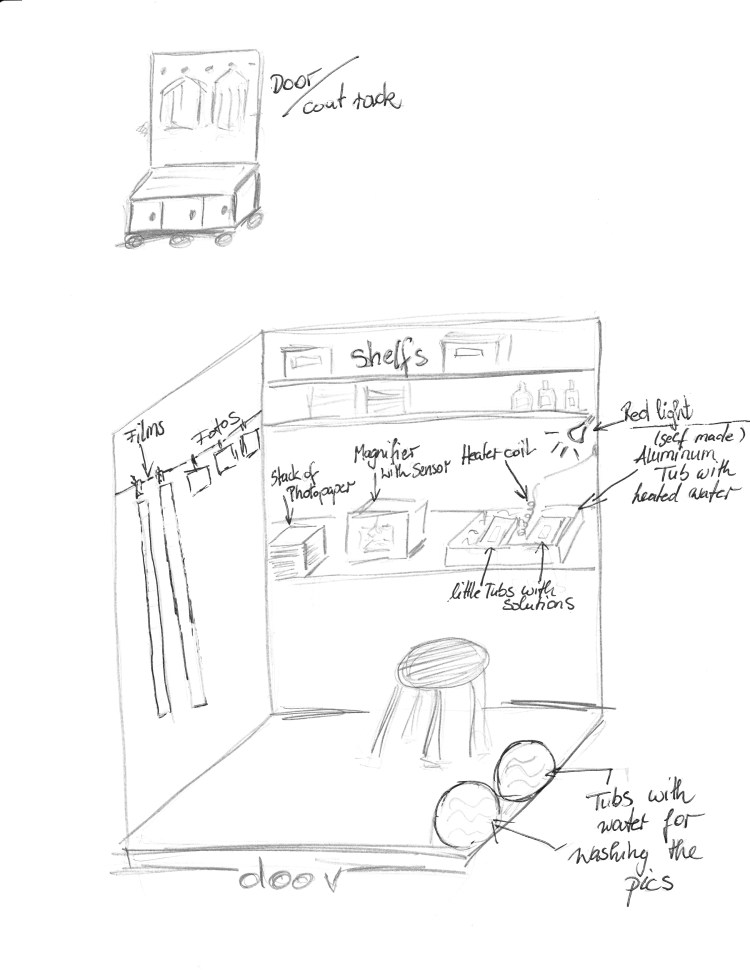
If you were caught by the authorities what was the penalty?
“It was a high monetary penalty. How much it was, I don’t remember. Prison was less the case.”
Do you think people are as passionate about photography now, as you were back then?
“I think yes! I see Artemis for example; she takes pictures of everything… I think she is more passionate about it now than I was then. I tried a lot back then and I did everything myself (developing etc.), but today I think it would be too expensive for me…
Were there any moments when young children would sneak in and open the secret door, or turn on the light by accident, destroying your pictures? For example young Artemis or Alexandru?
“Yes… but only the pictures on the paper were damaged, but it almost never happened. It wasn’t as tragic, because the film itself wasn’t damaged and I could just do it again and I had always enough photo paper.
Last year, at your son Alexandru’s wedding in Germany, I saw you with a Canon DSLR. Do you prefer digital cameras now, or do you still have a love for the old film?
“I prefer the digital photography, it’s so much easier!”
Would you ever get back into taking pictures for a living, or have you ‘hung up your boxing gloves’?
“If I could make good money again then probably I would.”
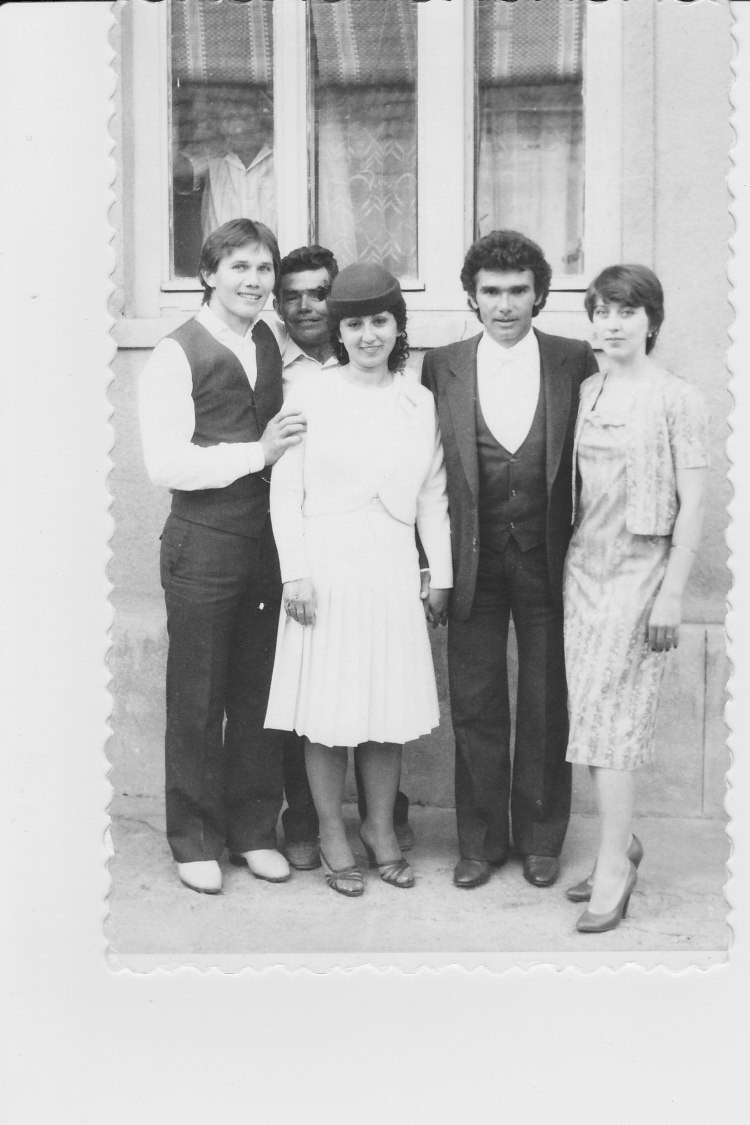
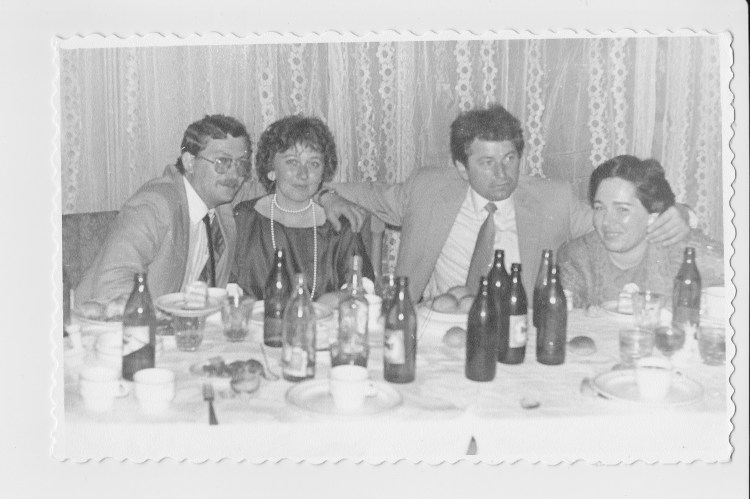


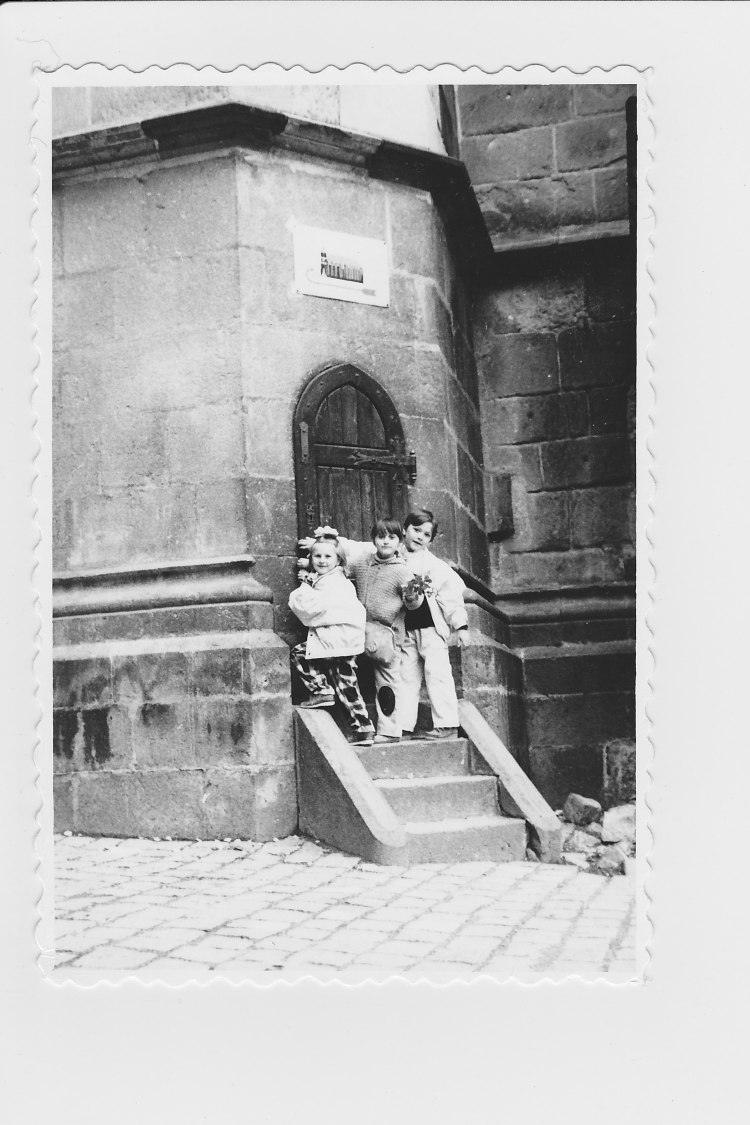
*Control over society became stricter and stricter, with an East German-style phone bugging system installed, and with Securitate recruiting more agents, extending censorship and keeping tabs and records on a large segment of the population. By 1989, according to CNSAS (the Council for Studies of the Archives of the Former Securitate), one in three Romanians was an informant for the Securitate. Due to this state of affairs, income from tourism dropped substantially by 75%, with the three main tour operators that organized trips in Romania leaving the country by 1987.
 Shuttermaniac™
I find Dorin Avram’s dedication to his craft during such challenging times truly inspiring.
One of the eastern bloc’s true photography pioneers